
Respect - Where'd it go?
Why Respect Matters More Than Ever for Kids Today (And How Martial Arts Helps)
As parents, we all want our children to grow up confident, kind, and capable. But in a world full of distractions, social media pressures, and instant gratification, the simple virtue of respect can sometimes feel overlooked. At Paradise Valley School of Karate, we see respect as one of the foundational life skills that supports everything else.
Why Respect is So Important Right Now
Respect teaches children how to value themselves and others. It shows up in how they listen to teachers, interact with siblings, speak to elders, and handle disagreements. In today’s fast-paced environment, kids who practice respect tend to build stronger relationships, handle conflict better, and develop a quiet inner confidence that doesn’t need to be loud or aggressive.
What’s Missing When Respect is Lacking
Without a strong foundation of respect, children often struggle with:
- Difficulty accepting feedback or authority
- Challenges working in teams or sharing space
- Lower self-control when emotions run high
- Weaker sense of personal responsibility
- Trouble forming meaningful friendships
These gaps can affect school performance, family dynamics, and long-term emotional well-being. Respect isn’t just about saying “yes ma’am” — it’s about learning to value other people’s time, effort, and feelings while holding oneself to a higher standard.
How Martial Arts Builds Respect Naturally
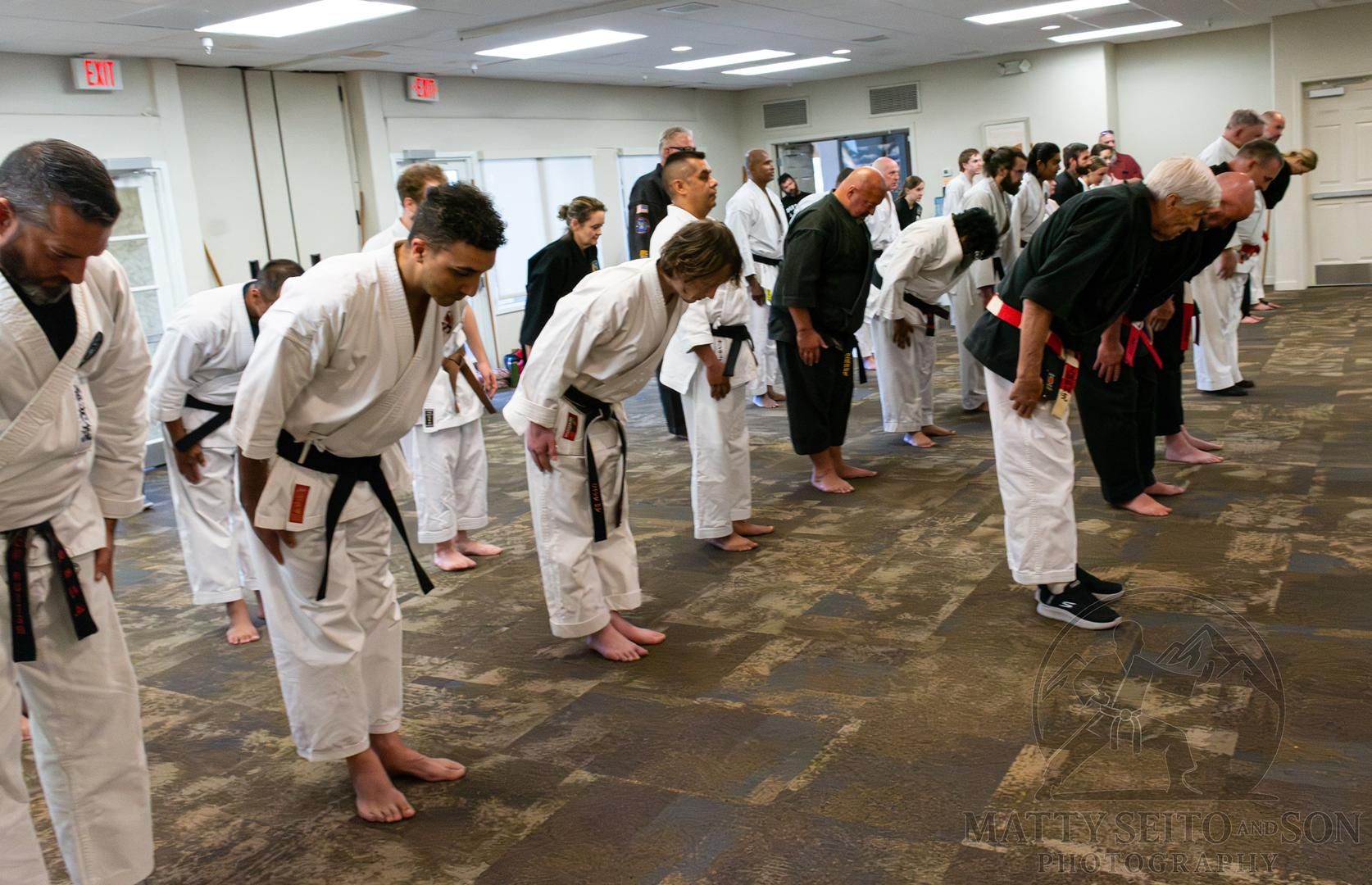
Martial arts creates a structured environment where respect is practiced daily, not just preached. Here’s what we see in our classes at Paradise Valley School of Karate:
- Bowing and greetings reinforce acknowledging others and showing appreciation.
- Listening and following instructions during drills builds focus and discipline.
- Partner work teaches safety, control, and consideration for others’ well-being.
- Earning rank and helping newer students develops humility and leadership.
Activities like board breaking, learning rolls and falls, or leading warm-ups give kids tangible proof of their growth — but always within a culture of mutual respect. Over time, this translates into real-life confidence that is calm, grounded, and respectful.